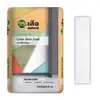





Tiger Brand
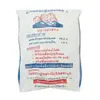
Tiger Mixed Cement
(5)2 OptionsFrom฿ 137.38/ Bag
Supporting post-flood home restoration ❤️ with extra discounts up to 5%. Discounts for new customers, the more you buy, the more you save, up to 55,000 baht! Until October 31.
Supporting post-flood home restoration ❤️ with extra discounts up to 5%. Discounts for new customers, the more you buy, the more you save, up to 55,000 baht! Until October 31.

Masonry cement (the green bag) for laying bricks, wall plaster and light floor toppings. Mixed with sand it is smooth, sticky and easy to work; it is not meant for structural concrete. General, fine-plaster and all-purpose grades in 40-50 kg bags from Tiger, INSEE, TPI, Lotus and Rhino.










A collection of stories about the use of building materials that are suitable for construction. Deepen construction secrets for everyone. Know straight to the point
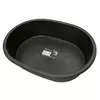
For bricklaying and wall plastering, or for casting decorative elements and small structures that don't carry heavy loads, the go-to material is mixed cement for masonry, plastering and pouring. It is smooth and sticky, bonds well to bricks and walls, sets at a steady pace and has little expansion or shrinkage, which helps reduce surface cracking. It suits bricklaying, plastering, floor leveling before installing finishes, small concrete structures (such as footings, columns, beams and slabs of single-story houses, or front yard slabs), and molded cement work such as cornices and cement basins.
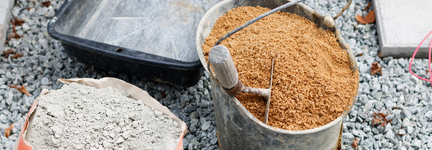
On site, masons mix this cement with sand and water in proportions that suit each application, for example:
• Bricklaying: Mix cement with coarse sand (meeting TIS 598) at a ratio of about 1:2.5 to 1:3.
• First plaster coat: Mix cement with fine sand (0.5-1.5 mm grains, meeting TIS 1776) at a ratio of about 1:2.5 to 1:3. Masons call this a rich ("salty") mix because of its high cement content. It bonds well to the wall but shrinks more and is harder to finish.
• Second plaster coat: Mix cement with sand at a ratio of about 1:3 to 1:4, known as a lean mix. With more sand, it shrinks less and is easier to finish than a rich mix, so it suits the final surface coat because it is less prone to cracking or crazing.
For floor slabs, gravel must be added to the mix. Mix ratios depend on each manufacturer's cement and the quality of the sand, and the amount of water should match the moisture in the sand. All of these factors affect build quality, so when using mixed cement for masonry, plastering and pouring, keep the mix to standard in both proportions and ingredient quality. Sand should be properly graded, sound and clean, free of weeds, organic matter (seeds, plant or animal remains) and chemical contaminants, and not acidic, alkaline or salty. Mixing water must be clean.