Supporting post-flood home restoration ❤️ with extra discounts up to 5%. Discounts for new customers, the more you buy, the more you save, up to 55,000 baht! Until October 31.

- Steel Products
- Cement
- Water Pipes
- Electrical System
- Bricks
- Roof
- Concrete Products
- Metal Sheet
- Cement Board
- Artificial Wood
- Ceiling Panels
- Ceiling & Drywall Framing
- Tank
- Water Pump
- Garden Hoses
- Valve Field Taps and Water Meter Water System
- Pump Water Pipe
- Floors and Walls
- Paints and equipments
- Hardware Tools
- Power Tools
- Air Tools
- Welding Machines & Equipment
- Personal Safety Equipment
- Thermal Insulation
- Translucent Sheet
- Solar Cell System
- Light Bulbs and Fixtures
- Bathroom
- HDPE Pipe for Drinking Service
- Stainless Steel
- Aluminum
- Scaffolding Steel form
- Construction Chemicals
- Landscape
- Foam Sheet
- Wood Timber Lumber
- Road Pavement and Traffic Equipment
- Construction Aggregate
- Zinc Coated/GI Sheet
- Electronics
- Fan
- Glass
- Doors & Windows
- Door and Window Hardware
- Rubber for Construction
- Ready Mixed Concrete
- Industrial Hose Duct Pipe
- Metal Ceilings System
- Furnitures
- Household Products
- Cleaning Equipment
- Laundry products
- Bedroom and bedding
- Steel Door
- Brass
- Copper
- Oil and Lubricant
- Industrial Belt
- Wheels and Castors
- Engineering Plastics
- Packing and Shipping Supplies
- FRP Fiber Reinforced Plastic
- Steel Chain Links
- Kitchen
- Tableware
- Storage and Shelves
- Personal Care
- Cleaner
- Gourmet Commodity
- Film
- Agricultural Products
- Air Conditioning Equipment
- Health&Wellness
- Curtains
- Water Filters And Filtrations
- Office Equipments
- Swimming Pool
- Lightweight Wall
- Clothes
- Pet Food & Supplies
- New Product
- Megahome Products
- Post-Flood Home Repair

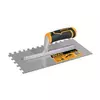
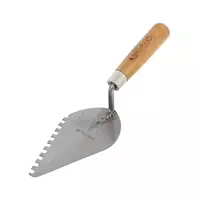
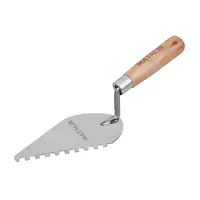
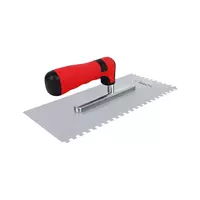
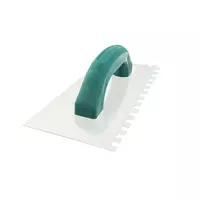
Notched Trowel
Notched trowels comb tile adhesive into even ridges so tiles get full coverage with no hollow spots. Match the notch to the tile: 6 mm for most wall and floor tiles, 10-12 mm or more for large formats. Rust-free stainless blades from RUBI, PUMPKIN, HACHI and MATALL.
Brands



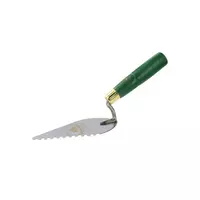
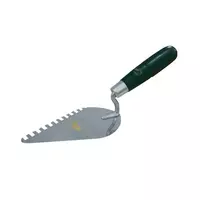
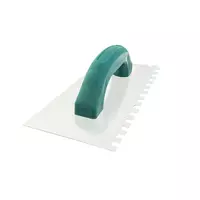
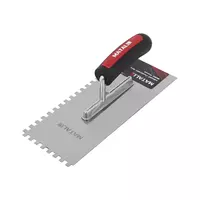
What Is a Notched Trowel and How Is It Used?
A notched trowel is a hand tool for spreading cement-based tile adhesive or thin-set mortar when installing tile. Its notched edge controls the thickness of the adhesive bed so it stays even across the whole area. The ridges let air escape and allow the adhesive to spread and fill the gap between the tile and the substrate, reducing hollow spots under the tile that can lead to cracked or loose tiles later.
Common Types of Notched Trowels
On Thai job sites, the choice of notched trowel depends on tile size and the surface being tiled. The main types are grouped by shape and material:
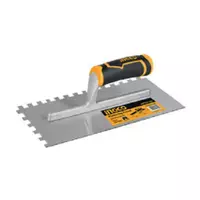
- Rectangular notched trowel: Suited to large tiles or spreading adhesive over wide areas for an even thickness.
- Triangular trowel (notched): Designed for tight spaces and corners, or for spreading small amounts of adhesive where precision matters.
- Stainless steel: A popular choice because it resists corrosion from tile adhesive, does not rust easily and is easy to clean.
Choosing the Right Notch Size
Notch size affects both adhesion and the cost of the adhesive you will use. The notch size should match the size of the tile. Established brands such as Jorakay (RUBI), PUMPKIN, INGCO, MATALL and HACHI offer a range of sizes for different applications.
Notch Size (mm) | Application | Recommended Tile Type |
|---|---|---|
6 mm | Thin-set installation | Mosaic or small tiles |
10 mm | Standard installation | Medium ceramic tiles, 30x30 cm |
30 mm (or larger) | Thick-bed installation or floor leveling | Granito or extra-large tiles |
Tips for Using a Notched Trowel
For the best results, comb the adhesive in straight ridges running in one direction. Avoid circular or back-and-forth strokes, which trap air bubbles under the tile. Choose a handle that fits your hand comfortably, whether plastic for general work or wood for a more solid feel, to reduce fatigue during long jobs. Technical details and more information are available at OneStockHome.