Supporting post-flood home restoration ❤️ with extra discounts up to 5%. Discounts for new customers, the more you buy, the more you save, up to 55,000 baht! Until October 31.

- Steel Products
- Cement
- Water Pipes
- Electrical System
- Bricks
- Roof
- Concrete Products
- Metal Sheet
- Cement Board
- Artificial Wood
- Ceiling Panels
- Ceiling & Drywall Framing
- Tank
- Water Pump
- Garden Hoses
- Valve Field Taps and Water Meter Water System
- Pump Water Pipe
- Floors and Walls
- Paints and equipments
- Hardware Tools
- Power Tools
- Air Tools
- Welding Machines & Equipment
- Personal Safety Equipment
- Thermal Insulation
- Translucent Sheet
- Solar Cell System
- Light Bulbs and Fixtures
- Bathroom
- HDPE Pipe for Drinking Service
- Stainless Steel
- Aluminum
- Scaffolding Steel form
- Construction Chemicals
- Landscape
- Foam Sheet
- Wood Timber Lumber
- Road Pavement and Traffic Equipment
- Construction Aggregate
- Zinc Coated/GI Sheet
- Electronics
- Fan
- Glass
- Doors & Windows
- Door and Window Hardware
- Rubber for Construction
- Ready Mixed Concrete
- Industrial Hose Duct Pipe
- Metal Ceilings System
- Furnitures
- Household Products
- Cleaning Equipment
- Laundry products
- Bedroom and bedding
- Steel Door
- Brass
- Copper
- Oil and Lubricant
- Industrial Belt
- Wheels and Castors
- Engineering Plastics
- Packing and Shipping Supplies
- FRP Fiber Reinforced Plastic
- Steel Chain Links
- Kitchen
- Tableware
- Storage and Shelves
- Personal Care
- Cleaner
- Gourmet Commodity
- Film
- Agricultural Products
- Air Conditioning Equipment
- Health&Wellness
- Curtains
- Water Filters And Filtrations
- Office Equipments
- Swimming Pool
- Lightweight Wall
- Clothes
- Pet Food & Supplies
- New Product
- Megahome Products
- Post-Flood Home Repair

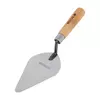
Brick Trowel
Brick trowels with a pointed, leaf-shaped blade for scooping and spreading mortar along the course, tapping bricks level and cutting off excess at the joints. Stiff steel blades that will not bend, with wood or rubber grips; 6 inch is the most popular size. From MATALL, PUMPKIN and MIXPRO.
Brands



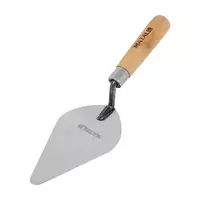
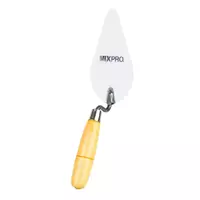
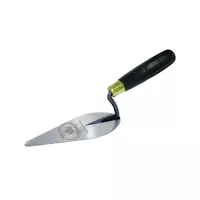
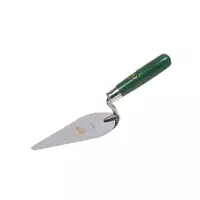
Brick Trowels: Essential Tools for Masonry and Plastering
A brick trowel is a basic hand tool that's essential in construction and home renovation, whether for bricklaying, plastering or specialized jobs such as laying lightweight (AAC) blocks. Trowels make working with cement-based materials smooth and efficient, and choosing the right brick trowel for the job gives accurate results and saves time.
Types of Brick Trowels and Their Uses
Brick trowels come in several types, each designed for a specific purpose:
- Triangular trowel: the most common brick trowel, with a triangular blade. Suited to general work such as scooping, mixing and working mortar and laying bricks, including lightweight blocks.
- Square trowel / plastering trowel: a large, flat blade for plastering to a smooth finish, also used for some floor tiling work.
- Notched trowel: a blade with saw-tooth notches, designed to spread tile adhesive or cement-based adhesive to an even thickness. Ideal for tiling or for thin-bed adhesive on lightweight blocks, where bond and bed thickness need to be controlled.
- Pointing trowel / jointing trowel: small with a pointed tip, used for detail work, finishing brick joints or repairing small cracks.
Brick Trowel Materials and Properties
The materials used in a brick trowel affect its durability and performance. Blades are usually stainless steel or carbon steel, with stainless steel offering better rust resistance. Handles come in wood, plastic or rubber for a secure grip and less fatigue during long use. Size is another factor to consider, typically ranging from 5 in to 12 in depending on the type and use.
Trowel Type | Blade Material | Handle Material | Typical Size (in) | Main Uses |
|---|---|---|---|---|
Triangular trowel | Stainless steel, carbon steel | Wood, plastic, rubber | 5-7 | Scooping mortar, bricklaying, laying lightweight blocks |
Square/plastering trowel | Stainless steel, carbon steel | Wood, plastic, rubber | 8-12 | Plastering, leveling mortar |
Notched trowel | Stainless steel | Plastic, rubber | 8-12 | Spreading adhesive, tiling, thin-bed mortar for lightweight blocks |
Pointing trowel | Stainless steel, carbon steel | Wood, plastic | 3-6 | Finishing joints, detail work |
Choosing a Brick Trowel for Specialized Work
Matching the brick trowel to the job matters. For laying lightweight blocks, a sturdy, flat-bladed AAC block trowel or a notched trowel for lightweight blocks lets you spread thin-bed adhesive thinly and evenly to spec, giving a strong wall while saving material. For general bricklaying, a triangular trowel is an excellent choice, while plastering that needs a very smooth finish calls for a square plastering trowel with a wide, sturdy blade.
Type of Work | Suitable Trowel | Key Features |
|---|---|---|
General bricklaying | Triangular trowel | Flat blade, pointed tip, scoops mortar well |
Laying lightweight blocks | AAC block trowel (flat blade), notched trowel for lightweight blocks | Controls mortar thickness, sturdy blade, made for spreading thin-bed adhesive |
Plastering | Square plastering trowel | Wide blade, smooth finish, ideal for spreading and leveling |
If you're looking for a quality brick trowel from brands such as MATALL, INGCO, HACHI, PUMPKIN and MIXPRO for bricklaying, laying lightweight blocks or plastering, you can check product details and prices for every type of brick trowel at OneStockHome, a one-stop source for construction materials and tools.