Supporting post-flood home restoration ❤️ with extra discounts up to 5%. Discounts for new customers, the more you buy, the more you save, up to 55,000 baht! Until October 31.

- Steel Products
- Cement
- Water Pipes
- Electrical System
- Bricks
- Roof
- Concrete Products
- Metal Sheet
- Cement Board
- Artificial Wood
- Ceiling Panels
- Ceiling & Drywall Framing
- Tank
- Water Pump
- Garden Hoses
- Valve Field Taps and Water Meter Water System
- Pump Water Pipe
- Floors and Walls
- Paints and equipments
- Hardware Tools
- Power Tools
- Air Tools
- Welding Machines & Equipment
- Personal Safety Equipment
- Thermal Insulation
- Translucent Sheet
- Solar Cell System
- Light Bulbs and Fixtures
- Bathroom
- HDPE Pipe for Drinking Service
- Stainless Steel
- Aluminum
- Scaffolding Steel form
- Construction Chemicals
- Landscape
- Foam Sheet
- Wood Timber Lumber
- Road Pavement and Traffic Equipment
- Construction Aggregate
- Zinc Coated/GI Sheet
- Electronics
- Fan
- Glass
- Doors & Windows
- Door and Window Hardware
- Rubber for Construction
- Ready Mixed Concrete
- Industrial Hose Duct Pipe
- Metal Ceilings System
- Furnitures
- Household Products
- Cleaning Equipment
- Laundry products
- Bedroom and bedding
- Steel Door
- Brass
- Copper
- Oil and Lubricant
- Industrial Belt
- Wheels and Castors
- Engineering Plastics
- Packing and Shipping Supplies
- FRP Fiber Reinforced Plastic
- Steel Chain Links
- Kitchen
- Tableware
- Storage and Shelves
- Personal Care
- Cleaner
- Gourmet Commodity
- Film
- Agricultural Products
- Air Conditioning Equipment
- Health&Wellness
- Curtains
- Water Filters And Filtrations
- Office Equipments
- Swimming Pool
- Lightweight Wall
- Clothes
- Pet Food & Supplies
- New Product
- Megahome Products
- Post-Flood Home Repair

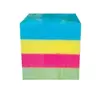
Plastering Sponge Floats
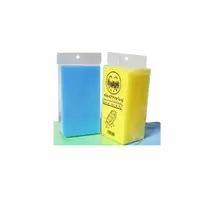
Plastering sponge floats for finishing plaster, skim coat and grout lines, removing trowel marks before the mortar sets, creating washed-sand textures and tidying edges. Dense, absorbent foam that does not tear easily, in single blocks, multi-packs and handled floats from MATALL.
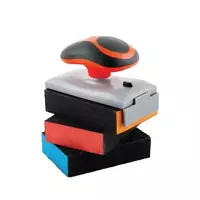
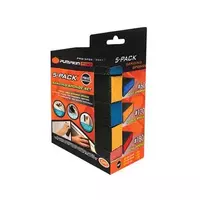
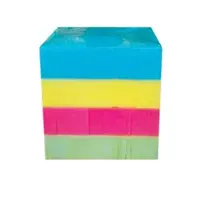

What Is a Plastering Sponge? Uses and Types for Construction
A plastering sponge is an essential tool in construction and renovation for smoothing and leveling a mortar surface, polishing it, or wiping off excess mortar after plastering or floating. The right plastering sponge helps you get the finish you want on walls, floors and detail work. These sponges are designed to absorb water well and stand up to materials such as cement, plaster and tile adhesive.
Key Properties of Plastering Sponges
Sponges for masonry work generally offer excellent water absorption, high flexibility, abrasion resistance and a surface suited to rubbing or leveling mortar. They let tradespeople control the smoothness of the finish precisely and help reduce unwanted trowel marks.
Popular Types of Plastering Sponge
Plastering sponges vary by material, size and use. Plasterers usually choose based on how fine a finish they need.
- Rubber plastering sponge: often used for polishing or detail work that needs a very smooth finish; durable and flexible.
- Cellulose plastering sponge: the most common type, with good water absorption; suited to plastering and floating for a medium-smooth finish.
- Synthetic fiber plastering sponge: available in several grades of coarseness, for floating to true up the surface or for cleaning off mortar residue.
Sizes vary as well, such as 1 in plastering sponges, 3/4 in plastering sponges and large blocks for wide areas.
Choosing the Right Plastering Sponge for the Job
When choosing a masonry sponge, consider the type of plastering, the mortar and the finish you need. For a very smooth finish, choose a fine, soft sponge; for general floating, a medium-coarse sponge may do. Also consider how durable the sponge is and how long it will last.
Plastering Sponge Types Compared
Sponge Type | Main Material | Main Uses | Resulting Finish |
|---|---|---|---|
Rubber sponge | Natural/synthetic rubber | Polishing, detail work | Very smooth |
Cellulose sponge | Cellulose fiber | General plastering, surface finishing | Medium smooth |
Synthetic fiber sponge | Foam/plastic | Floating, cleaning | Slightly to moderately coarse |
Caring for Plastering Sponges
To make a plastering sponge last, clean it after every use: rinse off mortar with clean water, squeeze it out completely and dry it in the shade to prevent sun damage. Proper care keeps the sponge performing well.
Plastering Sponge Brands and Quality
Plastering sponges are available from many brands, such as MATALL, known for quality and durability. Choosing a trusted brand helps ensure good materials and reliable performance.
Plastering Sponge Prices and Where to Buy
Plastering sponge prices vary by type, material, size and brand. To check current plastering sponge prices and available products, see OneStockHome, which carries floating sponges and plastering sponges in many sizes for plasterers and DIY users alike.