Supporting post-flood home restoration ❤️ with extra discounts up to 5%. Discounts for new customers, the more you buy, the more you save, up to 55,000 baht! Until October 31.

- Steel Products
- Cement
- Water Pipes
- Electrical System
- Bricks
- Roof
- Concrete Products
- Metal Sheet
- Cement Board
- Artificial Wood
- Ceiling Panels
- Ceiling & Drywall Framing
- Tank
- Water Pump
- Garden Hoses
- Valve Field Taps and Water Meter Water System
- Pump Water Pipe
- Floors and Walls
- Paints and equipments
- Hardware Tools
- Power Tools
- Air Tools
- Welding Machines & Equipment
- Personal Safety Equipment
- Thermal Insulation
- Translucent Sheet
- Solar Cell System
- Light Bulbs and Fixtures
- Bathroom
- HDPE Pipe for Drinking Service
- Stainless Steel
- Aluminum
- Scaffolding Steel form
- Construction Chemicals
- Landscape
- Foam Sheet
- Wood Timber Lumber
- Road Pavement and Traffic Equipment
- Construction Aggregate
- Zinc Coated/GI Sheet
- Electronics
- Fan
- Glass
- Doors & Windows
- Door and Window Hardware
- Rubber for Construction
- Ready Mixed Concrete
- Industrial Hose Duct Pipe
- Metal Ceilings System
- Furnitures
- Household Products
- Cleaning Equipment
- Laundry products
- Bedroom and bedding
- Steel Door
- Brass
- Copper
- Oil and Lubricant
- Industrial Belt
- Wheels and Castors
- Engineering Plastics
- Packing and Shipping Supplies
- FRP Fiber Reinforced Plastic
- Steel Chain Links
- Kitchen
- Tableware
- Storage and Shelves
- Personal Care
- Cleaner
- Gourmet Commodity
- Film
- Agricultural Products
- Air Conditioning Equipment
- Health&Wellness
- Curtains
- Water Filters And Filtrations
- Office Equipments
- Swimming Pool
- Lightweight Wall
- Clothes
- Pet Food & Supplies
- New Product
- Megahome Products
- Post-Flood Home Repair

Elastic Filler
Bitumen-impregnated fiberboard (bagasse board) used as an expansion joint filler in concrete floors, roads, car parks and slab-to-wall joints. It takes up thermal movement in the concrete to reduce cracking. 4x7 ft sheets you can cut to the slab depth, delivered across Thailand.
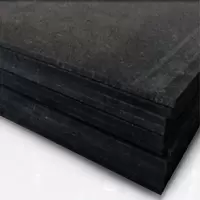
About Bitumen-Impregnated Bagasse Board (Elastic Filler Board)
Bitumen-impregnated bagasse board, also known as elastic filler board, is a construction material made from sugarcane bagasse fiber, a by-product of sugar production. The fiber is pressed into sheets and then impregnated with tar or asphalt (bitumen) to improve water resistance, durability and flexibility. It is designed for a variety of construction uses, particularly as a roof underlay or a waterproofing layer for structures, protecting against moisture and water penetration and helping extend the service life of buildings and structures.
Composition and Manufacturing
Production starts by processing sugarcane bagasse into fiber, which is then pressed into board with the right density and structure. The key step is impregnating the board with tar or asphalt, a compound with good water-resistant properties. This coats the bagasse fibers in a layer of bitumen, giving the board excellent water resistance, high flexibility and durability in changing weather. Using bagasse is also a sustainable choice, since it is an agricultural by-product.
Key Properties of Elastic Filler Board
- Water resistance: Its most important property is effective resistance to water and moisture, preventing water from seeping into the structure.
- Flexibility: The board is highly flexible, so it conforms to different shapes and is less likely to tear when the structure moves.
- Durability: It withstands temperature changes and varied environmental conditions, making it suitable for exterior use.
- Insulation: It provides some degree of heat and sound insulation, helping improve a building's energy efficiency.
Applications in Construction
Bitumen-impregnated bagasse board plays an important role in many types of construction, including:
- Roof underlay: Used as an underlayment beneath roof tiles to stop rainwater from leaking through if tiles are damaged, and to keep out outside moisture.
- Waterproofing for walls and floors: Used as a moisture barrier for walls or floors in areas that need extra moisture protection.
- Underlay for roads and walkways: Used as a base layer to help extend the service life of roads and walkways.
- Underlay for floor leveling: Laid before pouring concrete or leveling a floor to prevent ground moisture from rising into the structure.
Types and Specifications
Bitumen-impregnated bagasse board is available in several sizes and thicknesses for different applications. For example, the 4x7 ft size is widely used for general work. The right choice depends on the project's waterproofing and durability requirements.
Property | Typical Specification | Unit |
|---|---|---|
Main material | Bagasse impregnated with asphalt | - |
Thickness | Approx. 1.5 - 3.0 | mm |
Standard size | 1.2 x 2.1 (4x7 ft) | m (ft) |
Weight | Varies with thickness | kg/sheet |
Color | Black | - |
Key features | Water-resistant, flexible, durable | - |
Buying Tips and Price
When buying bitumen-impregnated bagasse board, consider thickness, size and water resistance to suit the type of construction work. For current prices, product details and availability, check OneStockHome, a trusted source of quality construction materials, so you can be confident you are getting a product that meets standards and fits your project.