Supporting post-flood home restoration ❤️ with extra discounts up to 5%. Discounts for new customers, the more you buy, the more you save, up to 55,000 baht! Until October 31.

- Steel Products
- Cement
- Water Pipes
- Electrical System
- Bricks
- Roof
- Concrete Products
- Metal Sheet
- Cement Board
- Artificial Wood
- Ceiling Panels
- Ceiling & Drywall Framing
- Tank
- Water Pump
- Garden Hoses
- Valve Field Taps and Water Meter Water System
- Pump Water Pipe
- Floors and Walls
- Paints and equipments
- Hardware Tools
- Power Tools
- Air Tools
- Welding Machines & Equipment
- Personal Safety Equipment
- Thermal Insulation
- Translucent Sheet
- Solar Cell System
- Light Bulbs and Fixtures
- Bathroom
- HDPE Pipe for Drinking Service
- Stainless Steel
- Aluminum
- Scaffolding Steel form
- Construction Chemicals
- Landscape
- Foam Sheet
- Wood Timber Lumber
- Road Pavement and Traffic Equipment
- Construction Aggregate
- Zinc Coated/GI Sheet
- Electronics
- Fan
- Glass
- Doors & Windows
- Door and Window Hardware
- Rubber for Construction
- Ready Mixed Concrete
- Industrial Hose Duct Pipe
- Metal Ceilings System
- Furnitures
- Household Products
- Cleaning Equipment
- Laundry products
- Bedroom and bedding
- Steel Door
- Brass
- Copper
- Oil and Lubricant
- Industrial Belt
- Wheels and Castors
- Engineering Plastics
- Packing and Shipping Supplies
- FRP Fiber Reinforced Plastic
- Steel Chain Links
- Kitchen
- Tableware
- Storage and Shelves
- Personal Care
- Cleaner
- Gourmet Commodity
- Film
- Agricultural Products
- Air Conditioning Equipment
- Health&Wellness
- Curtains
- Water Filters And Filtrations
- Office Equipments
- Swimming Pool
- Lightweight Wall
- Clothes
- Pet Food & Supplies
- New Product
- Megahome Products
- Post-Flood Home Repair

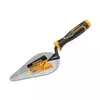
Buttering Trowel
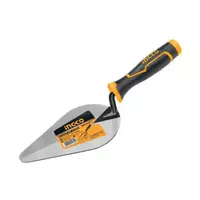
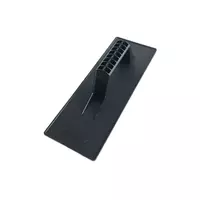
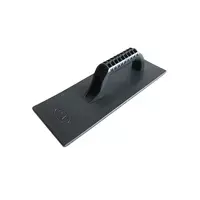
Plastering trowels for loading mortar onto walls and spreading plaster smooth. Plastic, wood, pointed steel and aluminium blades for gypsum work, all with flat, true blades and comfortable handles for faster, more even coats. From W.PLASTIC, INGCO, SPOA and HACHI.
Brands




What Is a Plastering Trowel and What Does It Do?
A plastering trowel is a basic tool for builders, used to apply, spread and level mortar to an even surface. There are versions for rough work when throwing on the first coat and for fine work when finishing the surface, so walls and floors end up flat and true to construction standards.
Types of Plastering Trowels and Their Uses
Which trowel to use depends on the stage of work and the material. In general they can be grouped by use as follows:
- Loading trowel: for scooping mortar and spreading the first coat onto the wall. Available with thin and thick blades to suit the amount of mortar being applied.
- Pointing trowel: for detail work in tight spots, or for cutting and shaping crisp mortar corners.
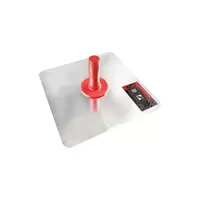
- Gypsum trowel: usually lightweight aluminum, used to apply gypsum plaster or thin-coat skim compounds for a smooth wall finish.
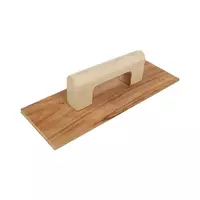
- Wooden float: for working the mortar face to the desired texture or for initial leveling.
How to Choose the Right Plastering Trowel Size
The size and material of the trowel directly affect the speed and quality of the work, especially when weighing price against the durability of plastic, aluminum or steel.
Trowel Type | Popular Material/Brand | Size and Key Features | Application |
|---|---|---|---|
Gypsum trowel | HACHI | 12x12 in (aluminum) | Plastering gypsum ceilings and walls |
Loading trowel | W. Plastic / SPOA | Thin and thick blades | Throwing the first coat to level the surface |
Plastering/pointing trowel | INGCO / MIXPRO | 280x115 mm / plastic handle | Fine plastering and corner finishing |
Usage Tips and Maintenance
To make a plastering trowel last, clean mortar off the blade immediately after use, because dried mortar leaves the face uneven and marks the plaster you apply. Leading brands such as INGCO, HACHI and MIXPRO typically design their handles to fit the hand and reduce fatigue during long working sessions. Checking that the blade face is still flat and straight before every job helps avoid rework later.