10th Anniversary Promotion ❤️ Discounts for new customers, the more you buy, the more you save, and special offers on home decor, Q-CON bricks, steel , roofing, and concrete. Save up to 55,000 baht! Until September 30th.

Categories
Structural MaterialsRoofing, Wall & CeilingPlumbing & BathroomElectrical, Lighting & Air SystemDoors, Windows & FinishingTools & HardwareOutdoor & LandscapeHousehold itemsKitchen Bedroom FurnitureSee All Categories
- Steel Products
- Cement
- Water Pipes
- Electrical System
- Bricks
- Roof
- Concrete Products
- Metal Sheet
- Cement Board
- Artificial Wood
- Ceiling Panels
- Ceiling & Drywall Framing
- Tank
- Water Pump
- Garden Hoses
- Valve Field Taps and Water Meter Water System
- Pump Water Pipe
- Floors and Walls
- Paints and equipments
- Hardware Tools
- Power Tools
- Air Tools
- Welding Machines & Equipment
- Personal Safety Equipment
- Thermal Insulation
- Translucent Sheet
- Solar Cell System
- Light Bulbs and Fixtures
- Bathroom
- HDPE Pipe for Drinking Service
- Stainless Steel
- Aluminum
- Scaffolding Steel form
- Construction Chemicals
- Landscape
- Foam Sheet
- Wood Timber Lumber
- Road Pavement and Traffic Equipment
- Construction Aggregate
- Zinc Coated/GI Sheet
- Electronics
- Fan
- Glass
- Doors & Windows
- Door and Window Hardware
- Rubber for Construction
- Ready Mixed Concrete
- Industrial Hose Duct Pipe
- Metal Ceilings System
- Furnitures
- Household Products
- Cleaning Equipment
- Laundry products
- Bedroom and bedding
- Steel Door
- Brass
- Copper
- Oil and Lubricant
- Industrial Belt
- Wheels and Castors
- Engineering Plastics
- Packing and Shipping Supplies
- FRP Fiber Reinforced Plastic
- Steel Chain Links
- Kitchen
- Tableware
- Storage and Shelves
- Personal Care
- Cleaner
- Gourmet Commodity
- Film
- Agricultural Products
- Air Conditioning Equipment
- Health&Wellness
- Curtains
- Water Filters And Filtrations
- Office Equipments
- Swimming Pool
- Lightweight Wall
- Clothes
- New Product
- Megahome Products
- Post-Flood Home Repair

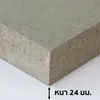
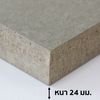
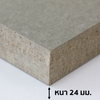
Viva Board 24mm Floor Panel
Check delivery options with postal code

Download Application



Services

Returns and Warranty
Get full refund if cannot deliver the products
Free Shipping Label Detail
Free Shipping, Minimum order ฿ 5,000
Payment Methods


Credit Card

TrueMoney Wallet

WeChat Pay

PromptPay (QR Code)
Mobile Banking
Installment
See Installment Table
All Items

Green
Size
Price condition: ex-warehouse Saraburi, Ex-factory price (full pallet condition): 781.93 baht Packing 20 pcs/pallet. Suitable for flooring work
Weight
90.00 Kg.
This is an ex-factory price and does NOT include VAT 7%

In Stock

Green
Size
Price condition: ex-warehouse Saraburi, Ex-factory price (full pallet condition): 781.93 baht Packing 19 pcs/pallet. Suitable for flooring work
Weight
93.00 Kg.
This is an ex-factory price and does NOT include VAT 7%
Made to Order 3-4 Weeks
Green
Size
Price condition: ex-warehouse Saraburi, Ex-factory price (full pallet condition): 781.93 baht Packing 16 pcs/pallet. Suitable for flooring work
Weight
112.50 Kg.
This is an ex-factory price and does NOT include VAT 7%
Made to Order 3-4 Weeks